

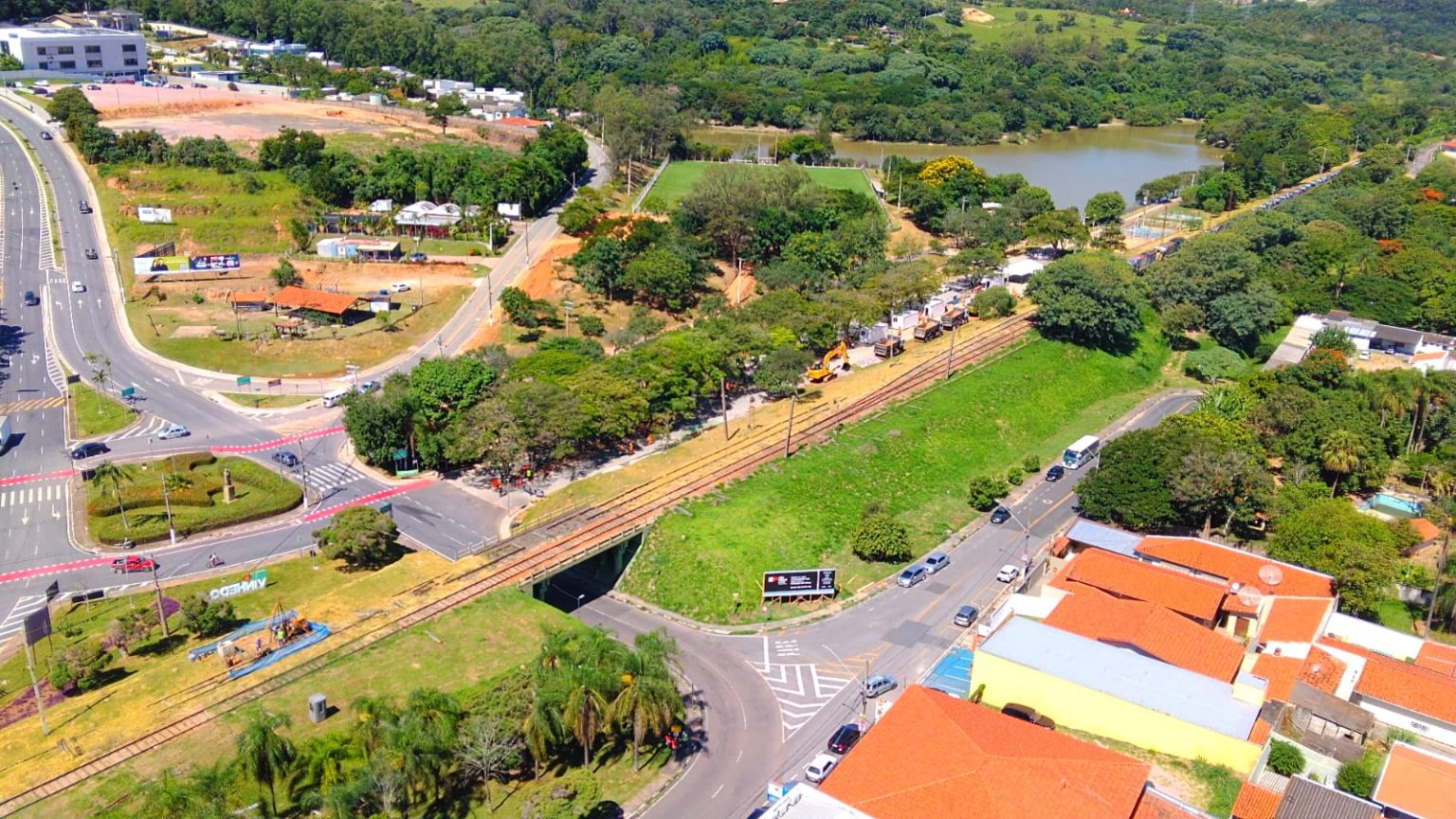
Construction of the Intercity Train (TIC) – North Axis, one of the main mobility projects currently underway in the state of São Paulo, began this Friday (27) in the interior of São Paulo. The first interventions are taking place in Vinhedo (SP) and represent progress in the revival of passenger rail transport in Brazil and in the connection between the capital and the Campinas region.
The work fronts will be implemented in phases and will initially advance gradually along the stretch between Campinas and Jundiaí and, at a later stage, toward the capital. In this initial phase, the interventions include the installation of the construction site and support areas, site preparation, earthworks, retaining structures, and the implementation of an underpass beneath the railway, intended for vehicle crossing and the removal of interferences.
The three services of the TIC North Axis project
The project is structured around three integrated services: the express Intercity Train (TIC) – North Axis, the stopping Intermetropolitan Train (TIM), and the modernization of São Paulo’s metropolitan Line 7–Rubi.
The Intercity Train will be Brazil’s first medium-speed train, with speeds of up to 140 km/h, capacity for approximately 860 passengers per trip, and an estimated travel time of 64 minutes along the 101 km route between São Paulo and Campinas. According to the concession bid notice, the service will include reserved seating, as well as luggage and bicycle storage areas. Operations are scheduled to begin in 2031.
The Intermetropolitan Train, the stopping service scheduled to begin in 2029, will connect Jundiaí and Campinas along a 44 km route, with an estimated travel time of approximately 33 minutes and stops in the municipalities of Louveira, Vinhedo, and Valinhos.
Line 7–Rubi, which currently operates between Palmeiras-Barra Funda and Jundiaí stations, is the operational backbone of the three TIC North Axis services and will undergo a modernization process.
Benefits for passengers and metropolitan regions
With the implementation of the TIC North Axis between Campinas and São Paulo, travel time between the two cities is expected to be reduced, especially during peak hours, while offering an alternative for the population that commutes daily between the two regions. The Intermetropolitan Train (TIM) strengthens this connection by serving other municipalities along the corridor, expanding the supply of rail transport in the region.
In addition to improving mobility, the project will also boost regional development, with direct impacts on job creation and on the economic dynamization of the cities served.
The TIC North Axis project is expected to directly benefit 11 municipalities and approximately 672,000 passengers per day, consolidating a new axis of development and regional integration between the capital and the interior of São Paulo.