

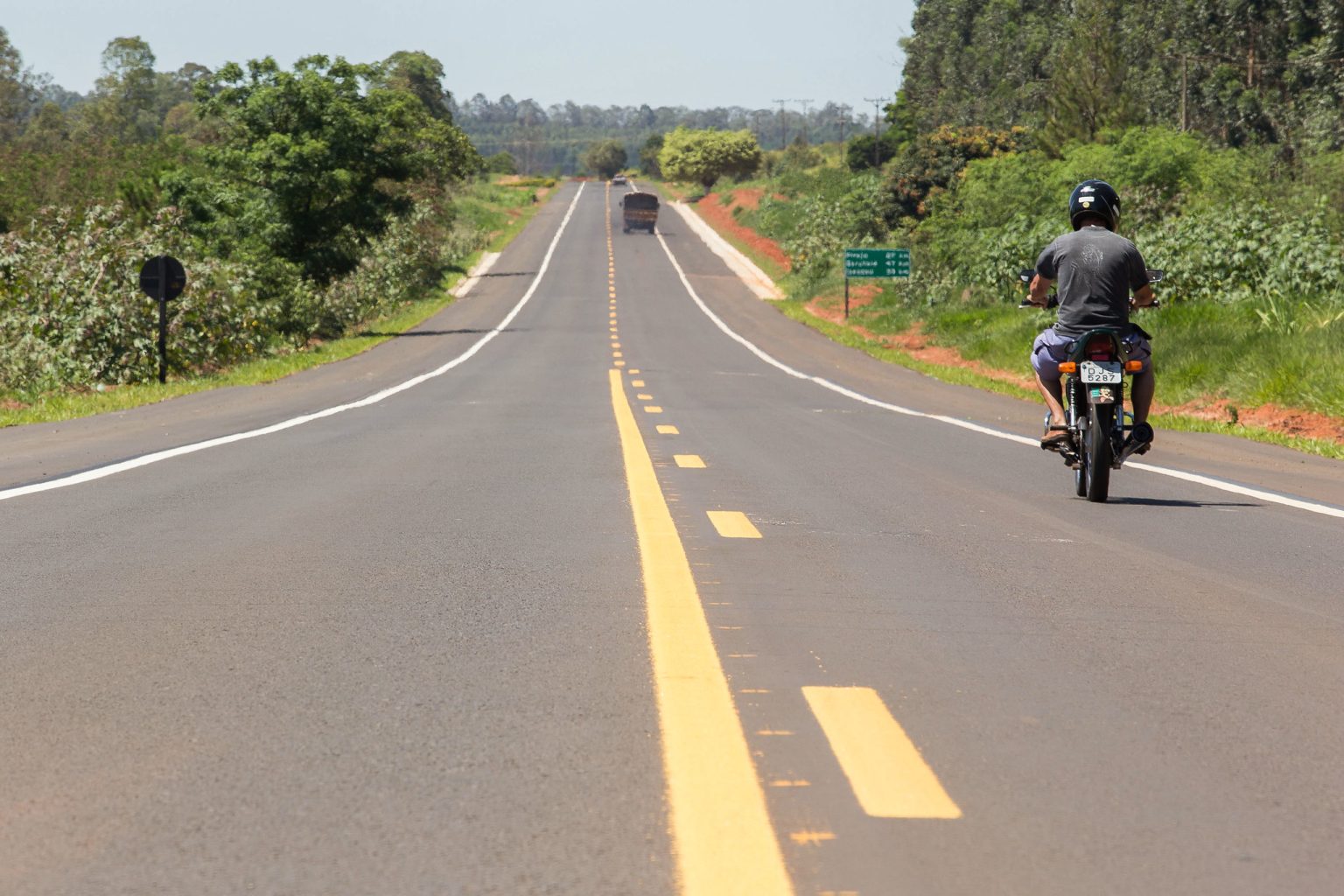
One month after the start of the Paranapanema Lot concession, the Government of São Paulo has consolidated the implementation of operations and presents the first results of the actions carried out on the region’s highways. The period was marked by the launch of a complete user assistance structure, with 24-hour monitoring and the beginning of improvement works along approximately 285 kilometers of roads.
In this first month, 1,641 incidents were handled, including pre-hospital care, mechanical assistance, and traffic inspections, expanding response capacity and raising safety standards on the highways.
The operation was structured from the outset with service bases distributed along the corridor, ambulances, tow trucks, and inspection teams, as well as an Operational Control Center that monitors traffic conditions in real time and ensures rapid action throughout the concessioned stretch.
At the same time, the first infrastructure improvement fronts are already moving forward. Interventions began on approximately 150 kilometers of pavement, in addition to road section cleaning, maintenance of green areas, clearing of drainage systems, and the recovery of critical points. Signage and safety devices were also reinforced, with replacement and installation of signs and interventions aimed at improving road organization and safety.
The economic impact is also beginning to be felt in the region, with the creation of 312 direct jobs in operations, 368 indirect jobs, and new opportunities expected throughout the implementation of the project.
The Paranapanema Lot is part of a strategic highway system centered on Raposo Tavares Highway (SP-270), one of the main links between the interior of São Paulo and the logistics corridor leading to the Port of Santos. The concession covers 285 kilometers and directly connects 13 municipalities: Angatuba, Bernardino de Campos, Buri, Campina do Monte Alegre, Canitar, Chavantes, Ipaussu, Itaí, Itapetininga, Ourinhos, Paranapanema, Piraju, and Tejupá.
With approximately R$ 5.8 billion in investments over the term of the contract, the project provides for the duplication of approximately 150 kilometers, in addition to the implementation of shoulders, pedestrian overpasses, frontage roads, and new access devices. Technology solutions are also planned, such as camera monitoring, variable message signs, and connectivity along the corridor.
The concession is part of the Government of São Paulo’s strategy to modernize the highway network, expanding investment capacity and accelerating structural improvements. Alongside projects such as Nova Raposo and Rota Sorocabana, Paranapanema contributes to the formation of a more efficient logistics corridor, reducing bottlenecks and strengthening regional development.
With the initial phase completed, the project now advances to more structural interventions, consolidating a cycle of transformation in road infrastructure that is already showing concrete results from its first months of operation.
SP pra Toda Obra
The project is part of the SP pra Toda Obra program, an initiative of the Government of São Paulo that provides for improvements on 21,200 kilometers of highways managed by the São Paulo State Department of Highways (DER-SP) and concessionaires, under the supervision of Artesp. The R$ 30.5 billion investment is the largest in the history of the State of São Paulo.