

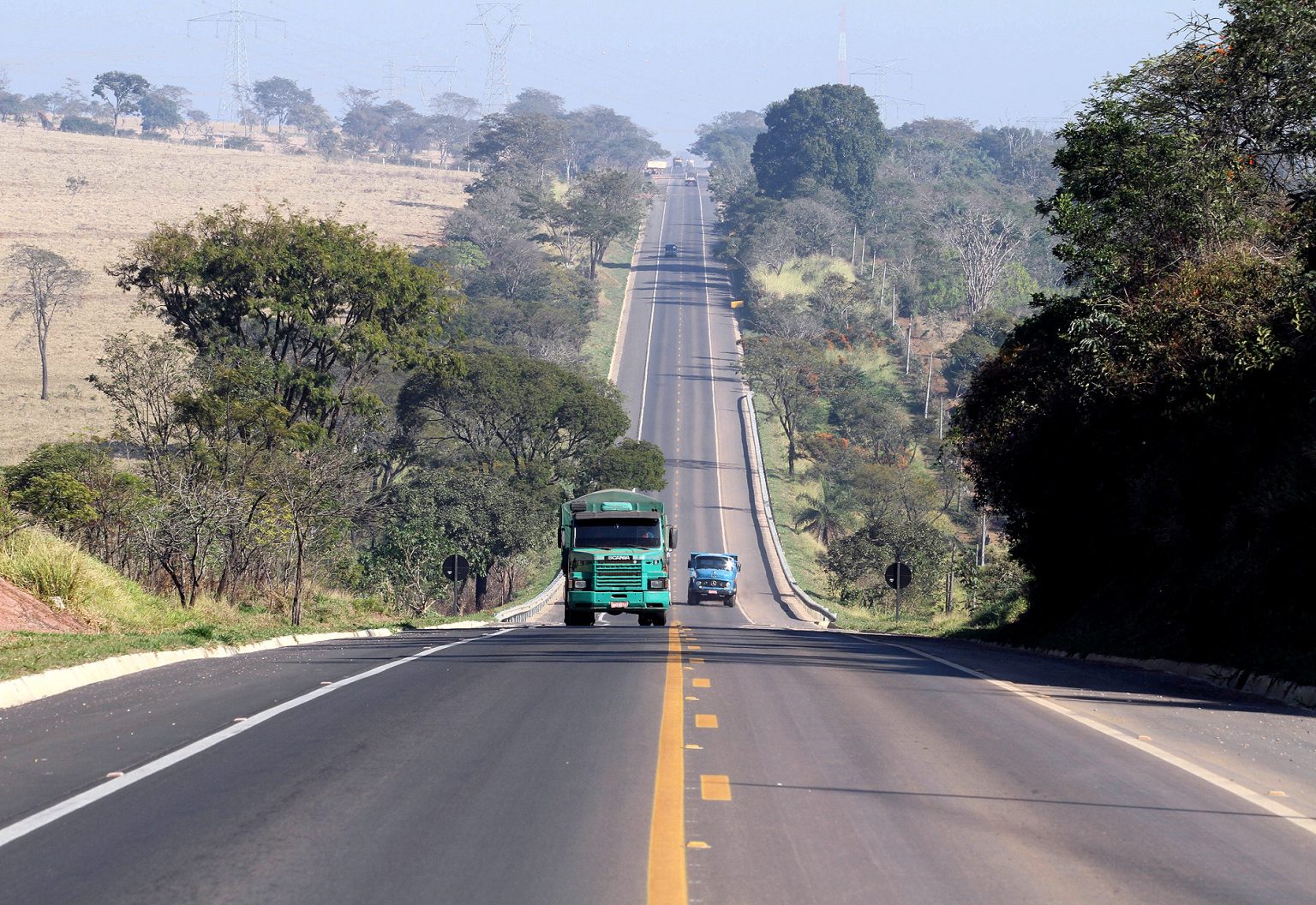
The State of São Paulo accounts for 14 of the 20 highways rated as excellent or good in Brazil, according to the latest edition of the Highway Survey conducted by the National Confederation of Transport (CNT). Of these, 11 are operated by concessionaires. The findings place São Paulo at the national forefront in terms of road network quality, ahead of other states with extensive highway systems.
Among the highlights of the ranking are sections of strategic highways such as SP-270 (Raposo Tavares), SP-348 (Bandeirantes), SP-070 (Carvalho Pinto), SP-021 (Rodoanel) and SP-300 (Marechal Rondon). These roads rank among the best in the country and are directly linked to structuring projects led by the Secretariat for Investment Partnerships (SPI).
CNT’s methodology is based on three main criteria: pavement condition, signage and road geometry, assessing factors such as asphalt quality, signage standards, presence of shoulders, curves, bridges and safety features. According to the entity, poor road infrastructure has a direct impact on the economy: highways in poor condition increase transport operating costs by an average of 31.2%, a figure that can reach 35.8% on roads under direct public management.
In São Paulo’s case, a significant portion of the best-rated stretches is associated with highway concession contracts, a model that concentrates investments in maintenance, capacity expansion and road safety. SP-270, for example, appears in the ranking in more than one section and crosses regions that have been receiving duplication works, additional lanes and safety improvements.
São Paulo’s performance in the CNT ranking reflects a consistent and long-term public policy based on modern concessions, well-regulated contracts, clear quality targets and continuous public oversight. By prioritizing robust investments in its road network, the Government of São Paulo strengthens infrastructure as a driver of economic and social development, with direct impacts on road safety, job creation, regional development and economic competitiveness. National recognition translates, in practice, into better-rated highways, safer and faster journeys, and improved quality of life for millions of people who use São Paulo’s roads every day.
Ranking overview:
1 – São Paulo: SP-270 / BR-267 / BR-374 – Presidente Epitácio to Ourinhos – Excellent
2 – Rio de Janeiro: RJ-124 – Rio Bonito to São Pedro da Aldeia – Excellent
3 – São Paulo: SP-348 – Cordeirópolis – Excellent
4 – São Paulo: SP-225 / BR-369 – Itirapina to Santa Cruz do Rio Pardo – Excellent
5 – São Paulo: SP-320 – Rubinéia to Mirassol – Excellent (public)
6 – Minas Gerais: BR-050 / BR-262 / BR-365 / BR-455 / BR-464 – Araguari to Delta – Excellent
7 – São Paulo: SP-070 – Taubaté to Guarulhos – Excellent
8 – São Paulo: SP-021 – Arujá to São Paulo – Excellent
9 – São Paulo: SP-270 / BR-272 / BR-373 – São Paulo to Itapetininga – Excellent
10 – Goiás: BR-050 / BR-352 – Cristalina to Cumari – Excellent
11 – São Paulo: SP-463 – Ouroeste to Clementina – Excellent (public)
12 – São Paulo: SP-326 / BR-364 – Barretos to Matão – Excellent
13 – Paraná: BR-163 – Cascavel to Realeza – Excellent
14 – Santa Catarina: BR-101 / BR-282 / BR-376 / BR-486 – Garuva to Passo de Torres – Excellent
15 – São Paulo: SP-334 – Cristais Paulista to Ribeirão Preto – Excellent
16 – São Paulo: SP-351 / BR-265 – Batatais to Santo Antônio da Alegria – Good (public)
17 – São Paulo: SP-333 / BR-153 – Sertãozinho to Florínia – Good
18 – São Paulo: SP-310 / BR-267 / BR-364 / BR-456 – Mirassol to Cordeirópolis – Good
19 – Mato Grosso do Sul: BR-359 – Costa Rica to Coxim – Good
20 – São Paulo: SP-300 / BR-154 / BR-262 / BR-267 – Castilho to Jundiaí – Good