

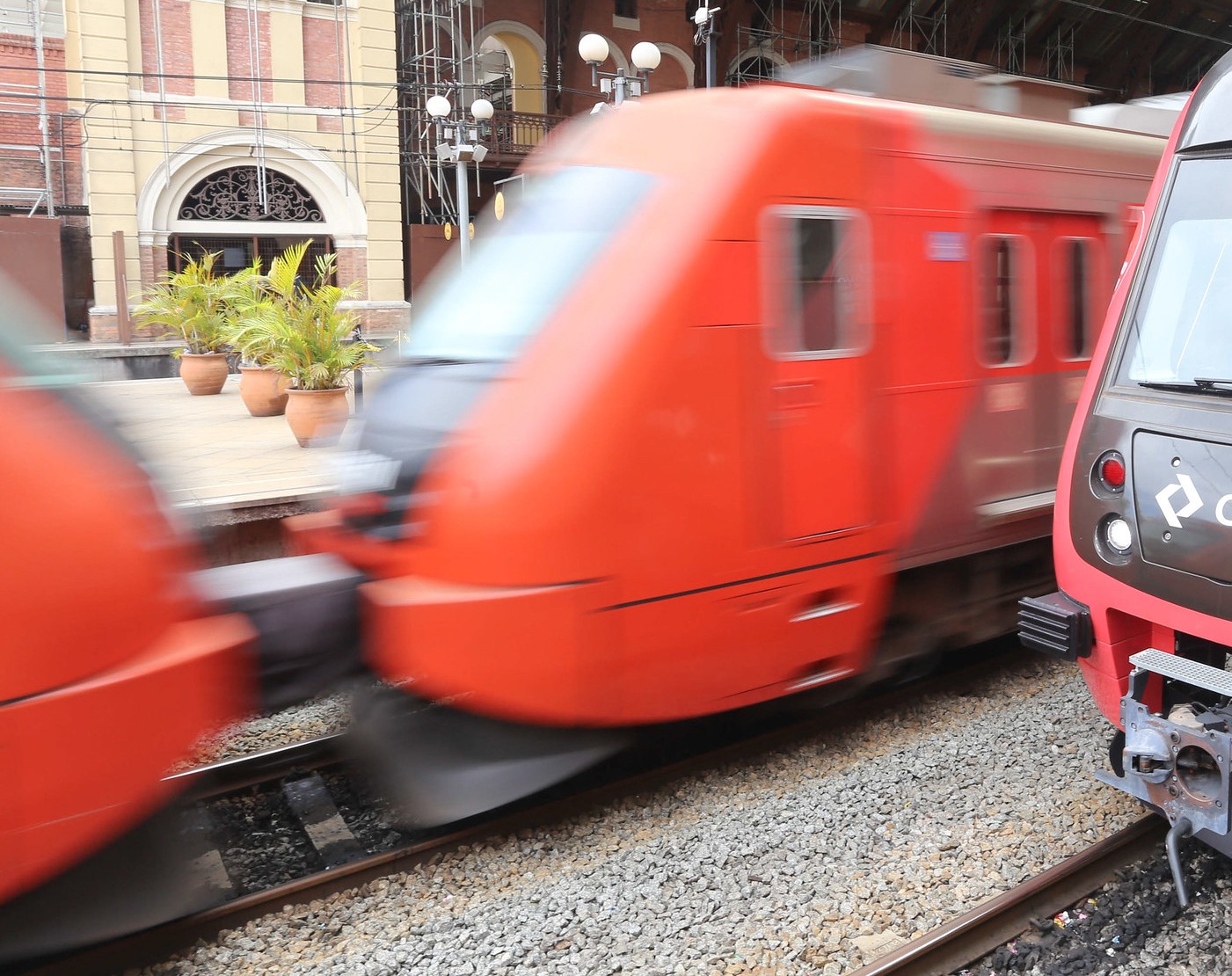
The Government of São Paulo, through the State Secretariat for Partnerships and Investments (SPI), has developed the West Axis Intercity Train (TIC) project — TIC Sorocaba — which will connect the state capital to Sorocaba, as a benchmark for inclusive mobility. From its early planning stages, the project has adopted strict accessibility and inclusivity criteria, with infrastructure designed to serve diverse user profiles, including people with disabilities, pregnant women, mothers with infants, and other passengers requiring special care.
The plan also includes specific protocols for assisting victims of harassment or discrimination, reinforcing the commitment to a respectful and safe public transportation environment.
Stations will feature accessible pathways, including ramps, elevators, and tactile signage, ensuring autonomy for people with reduced mobility or visual impairments. Restrooms will comply with NBR 9050/2015 standards, offering adapted stalls, support bars, and sinks at accessible heights.
Additionally, all planned stations will include breastfeeding rooms and dedicated care spaces, designed to provide comfort, privacy, and suitable facilities for daily or emergency support for caregivers and their babies.
With an estimated travel time of around 60 minutes between Sorocaba and São Paulo, the TIC is emerging as a democratic mobility project aligned with the best international practices in accessibility and inclusion. The public consultation phase took place from April 30 to June 2, while in-person public hearings were held in Sorocaba (May 26), São Roque (May 28), and São Paulo (May 29), all broadcast live on the State Government’s YouTube channel.
SP on the Tracks
TIC Sorocaba is part of the “SP nos Trilhos” (“SP on the Tracks”) program, which includes over 40 projects for the expansion of the metro and urban rail networks, as well as the development of Intercity Trains (TICs) and Light Rail Vehicles (VLTs). Altogether, these initiatives are estimated at over R$ 190 billion, covering more than 1,000 kilometers of track across Greater São Paulo, the countryside, and the coast.