

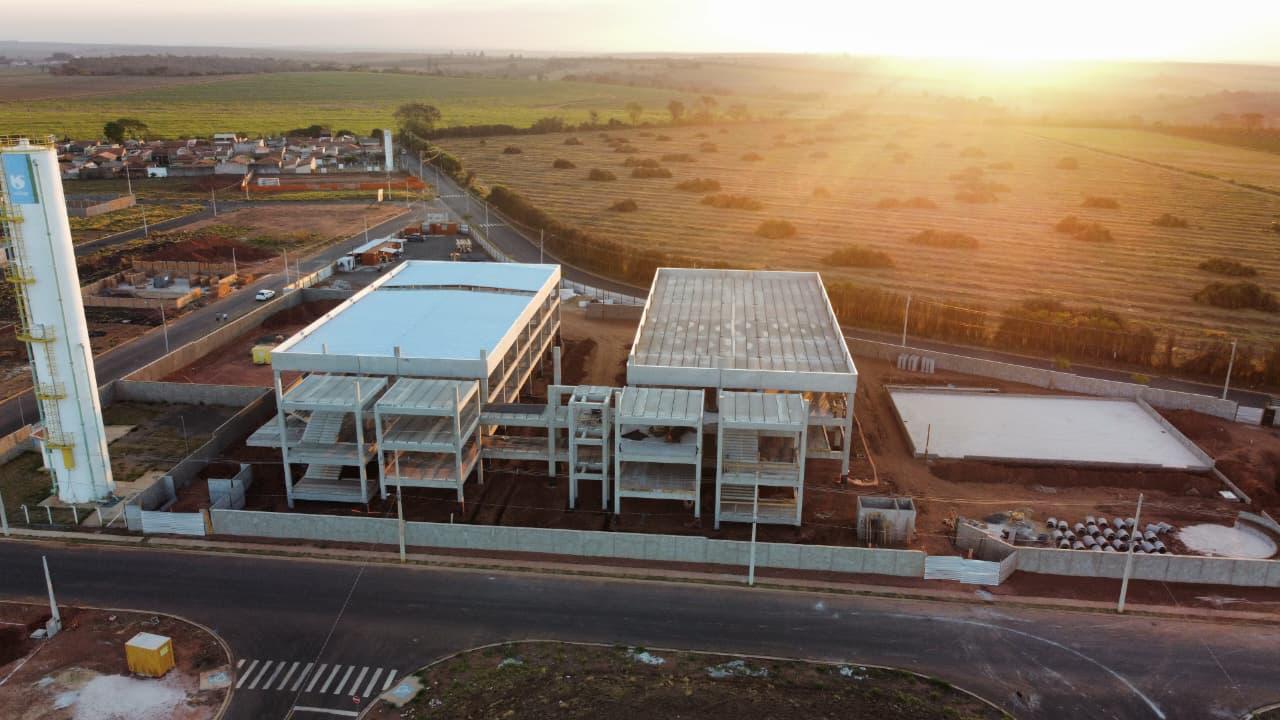
The Public-Private Partnership (PPP) for New Schools, led by the Government of the State of São Paulo, continues to advance, with seven of the 16 schools planned in the first phase already exceeding 40% completion. The Aguaí unit, located in the interior of São Paulo, was the first to begin construction and is currently the most advanced, with 43.1% of works completed.
The New Schools PPP foresees the construction of 33 educational units across the state, divided into two lots — East and West — with 16 and 17 schools, respectively. In total, 29 municipalities will benefit, resulting in nearly 35,000 new full-time student openings for upper elementary and high school levels in the state education network. The total planned investment is R$ 2.1 billion over the 25-year concession period, with half of the schools expected to be delivered in 2026 and the remainder by 2027.
“Construction of the schools is progressing well, all within schedule. Here at Arsesp, as the regulatory agency, we are closely monitoring this progress to ensure full compliance with the contract, and by next year we will witness the delivery of 16 new schools by the state of São Paulo,” said Thiago Mesquita Nunes, CEO of the São Paulo State Regulatory Agency for Public Services (Arsesp).
In addition to Aguaí and Itapetininga, the units in Limeira (42.2%), Araras (40.9%), Jardinópolis (40.8%), Olímpia (40.5%), and São João da Boa Vista (40%) have also surpassed 40% completion. Among the remaining nine schools in Phase I, seven have already exceeded 39% progress and two are above 37%.
The PPP is an initiative by the Government of São Paulo aimed at modernizing the state’s public education infrastructure, with a focus on expanding capacity and improving school management. Pedagogical guidelines remain under the responsibility of the Department of Education, while the concessionaires manage infrastructure and support services, such as maintenance and cleaning.
Arsesp oversees regulation and monitoring of the contract, tracking both the progress of construction and the quality of services provided, with support from an independent certifier. The performance of concessionaires will be assessed based on 21 indicators, covering technical, availability, and user satisfaction criteria.