

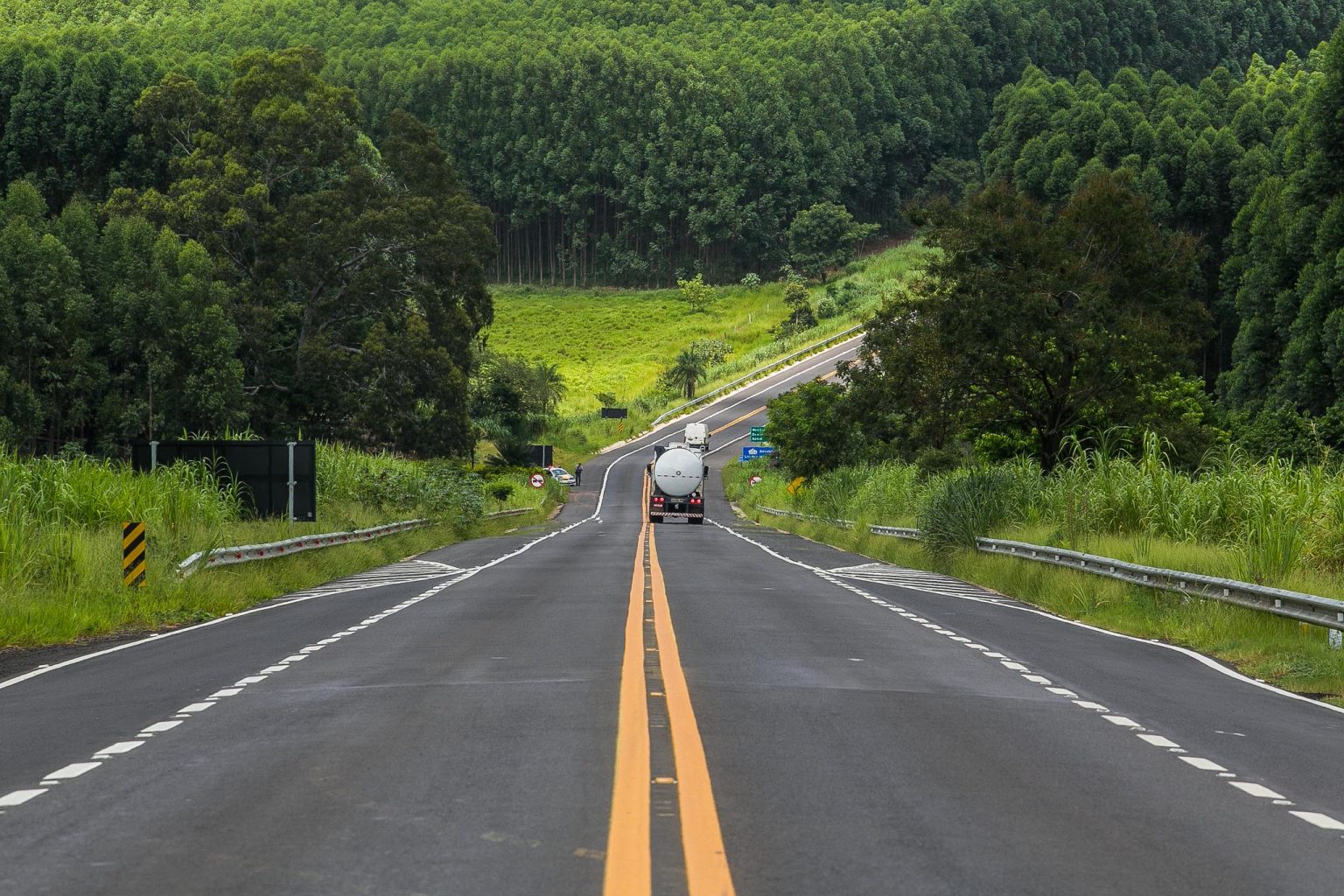
More than 6,500 tons of waste were discarded along São Paulo’s concession highways in the first half of last year alone, according to data from the São Paulo State Transportation Agency (ARTESP). Future concessionaires of the Paranapanema, Nova Raposo, and Sorocabana Route lots must include daily cleaning operations in their projects—covering road edges, medians, drainage systems, overpasses, bus stops, bike paths, and lanes.
Improper waste disposal not only poses accident risks by attracting animals to the road but also compromises road safety. As part of the contractual requirements in the highway concession program regulated by ARTESP, concessionaires are obligated to remove and properly dispose of waste, debris, and vegetation along the highways.
“It is the concessionaire’s responsibility to ensure proper removal of waste, debris, or plant material discarded by users along the designated sections. The removal of any obstacles is essential for user safety and facilitates regular service maintenance,” explained Raquel França Carneiro, director of Companhia Paulista de Parcerias (CPP).
The Brazilian Traffic Code establishes penalties for those who dispose of objects or substances on public roads, classifying it as a medium-level violation. In addition to a R$ 130.16 fine, violators receive four points on their driver’s license. Although concessionaires do not enforce penalties, they have focused on educational initiatives to raise awareness among drivers and the general public about the importance of keeping roads clean and safe.
Improper waste disposal along highways is a serious threat, as waste can block stormwater drainage systems, leading to clogged drains and water accumulation on roads and shoulders.
“Future concessionaires of the Nova Raposo, Paranapanema, and Sorocabana Route lots must clear drains and repair surface drainage elements that pose safety risks to road users,” said Carneiro.
The winning concessionaires of the Paranapanema, Nova Raposo, and Sorocabana Route lots will be responsible for daily cleaning of roadways, shoulders, central and lateral medians, bike paths, bus stops, and footbridges, in accordance with ARTESP’s guidelines. This includes waste removal, vegetation trimming and collection, and the unclogging and repair of drainage systems such as culverts and gutters, to prevent risks to both user safety and the environment. Services must comply with technical and environmental standards, ensuring proper disposal of collected materials and keeping highways clean, functional, and safe.
State Partnership Program (PPI-SP)
PPI-SP is an initiative by the Government of the State of São Paulo that aims to expand opportunities for investment, employment, and socioeconomic, technological, environmental, and industrial development in the state.
Focusing on highways, mobility, social development, and water/energy, PPI-SP is implementing the largest and most comprehensive private investment program in São Paulo’s history—benefiting the population and driving regional economic growth. To date, 29 projects have been qualified, with a portfolio exceeding R$ 494 billion.