

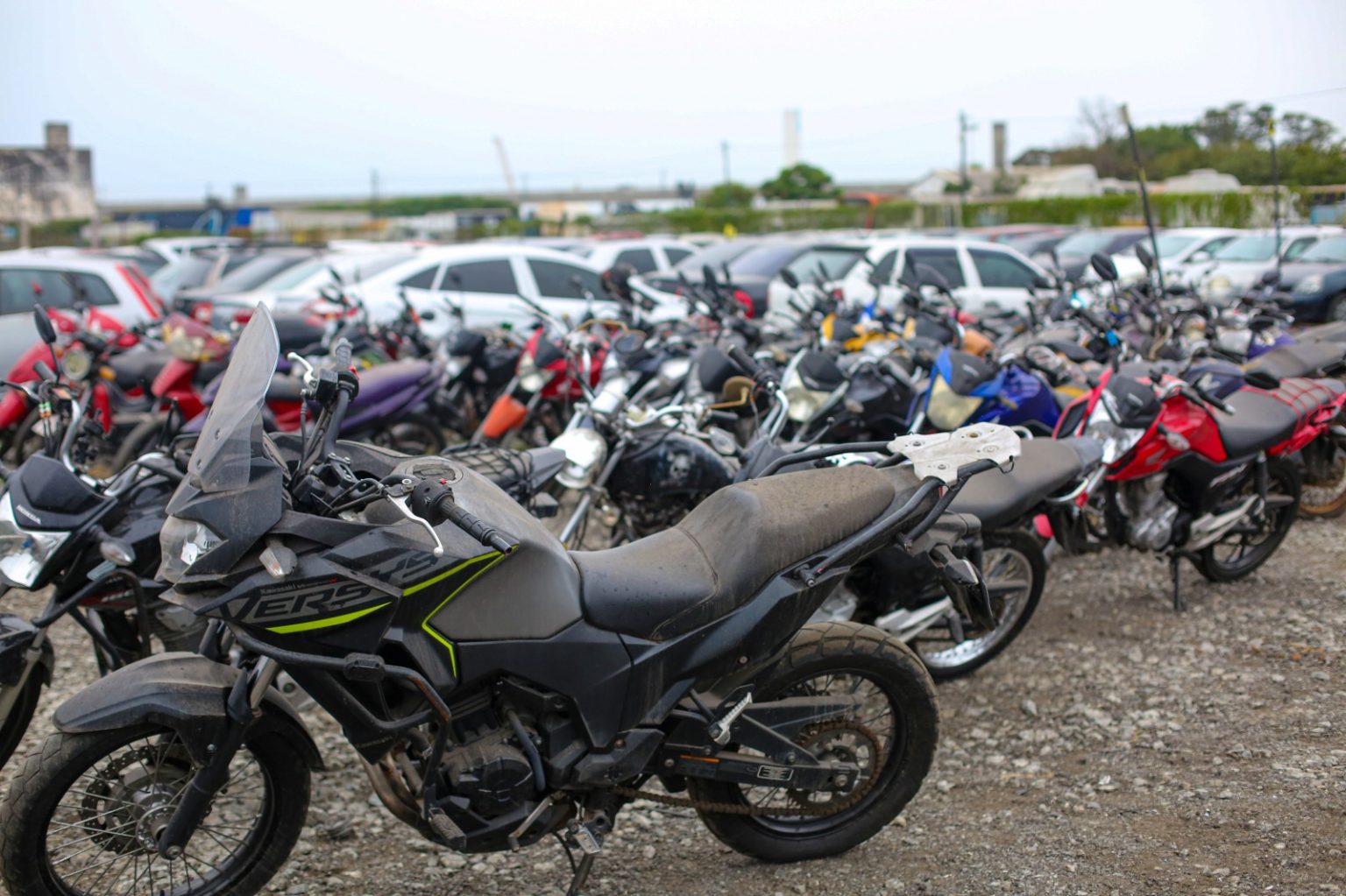
Around 50 companies have expressed interest in learning about the São Paulo state government’s proposal for the concession of vehicle removal and impound services for traffic violations. Of these, 11 have already held meetings with representatives of the São Paulo State Department of Transit (Detran-SP) for clarifications, further details, and suggestions. Coordinated by the Secretariat of Partnerships and Investments (SPI), the proposal was open for public consultation for one month, between July 8 and August 8, and is now under review for the final draft. The public tender, which will mark the beginning of registration for interested parties, is expected to be published by the end of October. The auction is scheduled for early 2026.
Among the 11 companies that spoke with Detran-SP in recorded virtual meetings are infrastructure firms, investment funds, and operators already active in vehicle removal and custody. Once accredited, they will compete for one of the seven lots planned for bidding.
The government’s project proposes granting the services of vehicle removal, impoundment, custody, management, auction preparation, and restitution, based on dividing the state’s 645 municipalities into seven regions, each corresponding to one lot. The capital, for example, leads Lot 6, which includes a total of 12 municipalities. As the largest lot in the project, it covers a population of 17.2 million residents and a fleet of 13 million vehicles. The expected demand for these services is between 108,000 and 130,000 vehicles, with projected revenue of R$ 3.27 billion.
The total estimated investment in the project is R$ 555 million. The plan calls for the implementation of an integrated technology platform, fleet tracking, and digital service channels, as well as improvements to impound lot infrastructure — which may extend the durability of vehicles — and a reduction in storage fees, eliminating charges for non-business days when vehicles are released within seven days.
Targets and oversight
The project also establishes performance targets, incentives for sustainable practices, and recognition of initiatives aligned with environmental, social, and governance (ESG) standards. The public tender will require that all environmental regulations be met by concessionaires, especially regarding zoonosis control and management of synanthropic animals (rats).
The concession will be overseen by the São Paulo State Public Services Regulatory Agency (Arsesp), with technical monitoring from Detran-SP, DER-SP, and an independent verifier. Concessionaire revenue will come from user fees and ancillary income streams that do not compromise service quality. The winning bids will be selected based on the highest fixed grant amount offered per lot.
The new model seeks to unify and standardize vehicle removal, custody, management, auction preparation, and restitution. Today, the service is provided in a decentralized manner. The State Highway Department (DER-SP) uses 42 impound lots, while Detran-SP works with 34 municipal agreements — in which city halls hire the impound lot — and 163 impound lots without formal ties to the agency but still able to receive vehicles. This setup results in discrepancies in procedures, fees, and lot conditions, complicating standardization and modernization of the service.
The project foresees a 26-year contract, with the first year dedicated to implementation and the remainder to service operation.