

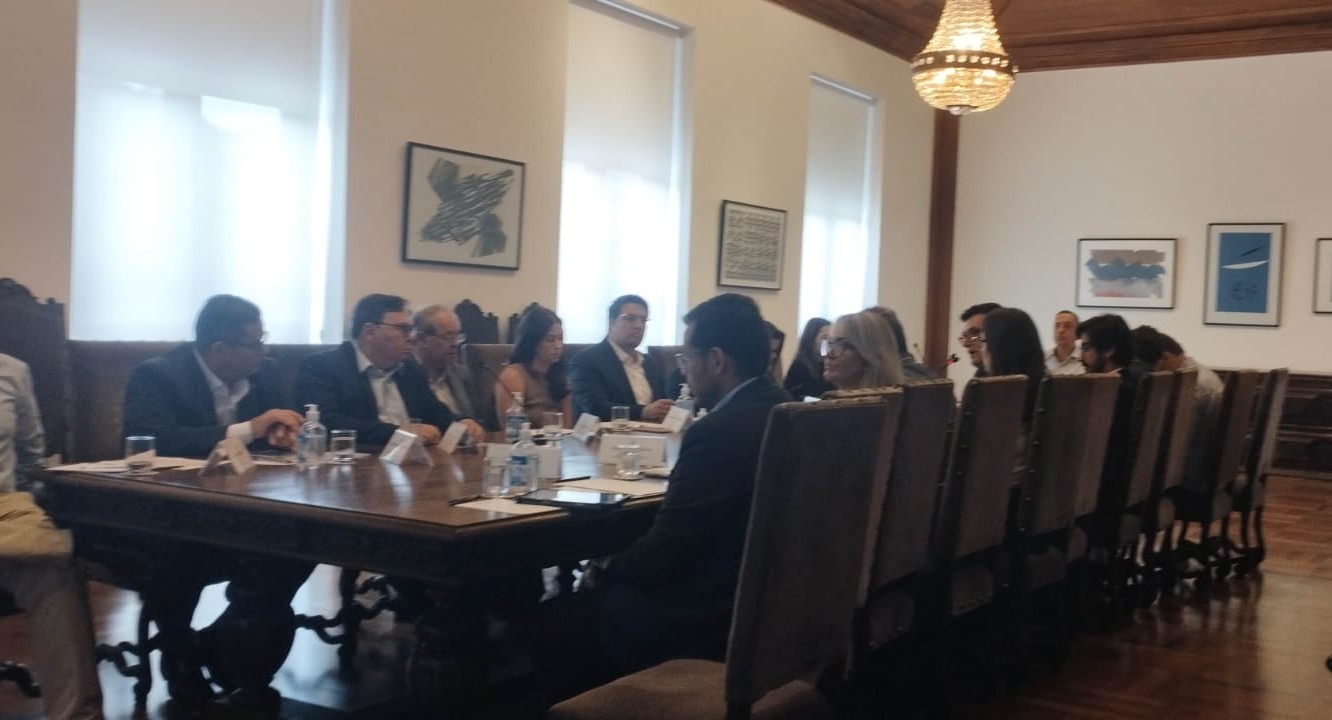
The Government of São Paulo approved, at a meeting held this Wednesday (10) at Palácio dos Bandeirantes, the conclusion of studies and the authorization to publish bid notices for three Public-Private Partnership (PPP) projects. The decisions were jointly taken by the Management Council of the Public-Private Partnerships Program (CGPPP) and the Board of Directors of the Privatization Program (CDPED).
Among the highlights is the final approval of the concession models for the Urban Parks of the State of São Paulo; the Campos do Jordão Railway Tourist Complex; and the Vehicle Removal and Storage Services for vehicles seized due to traffic violations in the State of São Paulo. The auctions for these projects are expected to take place in the first half of 2026.
“The decisions approved at this meeting reinforce the seriousness with which São Paulo plans its future. Each qualified or authorized project represents a concrete step toward modernizing public services and expanding spaces that promote social interaction, tourism, mobility and better use of state resources. We are moving forward with responsibility, dialogue and technical rigor to ensure that partnerships deliver real results to the population and keep São Paulo at the forefront of innovation and good governance,” said Vice Governor Felicio Ramuth.
The meeting was attended by Vice Governor Felicio Ramuth, president of CDPED and CGPPP; André Isper, Executive Secretary of both councils; Arthur Luis Pinho de Lima, Chief of Staff and vice-president of the councils; Rafael Antonio Cren Benini, Secretary for Investment Partnerships; Samuel Kinoshita, Executive Secretary for Finance and Planning; Alessandra Obara, Deputy Attorney General of the State; and Natália Resende, Secretary for Environment, Infrastructure and Logistics.
“Each stage approved today reaffirms the Government of São Paulo’s commitment to a responsible, transparent partnership program capable of transforming public services. By authorizing new bid notices, we advance the modernization of parks, the revitalization of historic assets and the delivery of more efficient services to the population. This is how we consolidate a climate of legal certainty and predictability that attracts private investment and accelerates results for citizens,” said Rafael Benini, Secretary for Investment Partnerships.
Urban parks
The proposed model foresees a 30-year contract with estimated investments of R$ 147 million. Improvements include modernization of existing facilities, expansion of leisure areas, installation of sports equipment and the provision of new services focused on users’ quality of life. The parks included in the project are Parque da Juventude Dom Paulo Evaristo Arns, Parque Estadual do Belém Manoel Pitta, Parque Ecológico do Tietê (Engenheiro Goulart, Maria Cristina Hellmeister de Abreu and Itaim Biacica units), and Parque Engenheiro Antônio Arnaldo de Queiroz e Silva (Vila Jacuí Leisure Unit).
Campos do Jordão Railway Tourist Complex
The proposal involves granting a 24-year concession for the railway, with estimated investments of R$ 310 million for modernization, operation and refurbishment of the rail line, including tracks, historic trains and associated equipment. The model also provides for the reopening of Parque Reino das Águas Claras and the implementation of a rail-trail cycling path along the railway right-of-way between Eugênio Lafère and downtown Pindamonhangaba.
Vehicle removal and storage services
The project proposes granting the services of vehicle removal, towing, custody, management, preparation for auction and restitution, based on dividing the State’s 645 municipalities into seven regions, each corresponding to a concession lot. Total estimated investments amount to R$ 555 million.
The new management will be responsible for implementing technological innovations and improving operational efficiency, resulting in higher-quality services, as well as greater control, transparency and security throughout all stages of vehicle removal, storage and auction preparation. The concession contract will last 26 years, with the first year dedicated to implementation and the remaining years to service operation.