

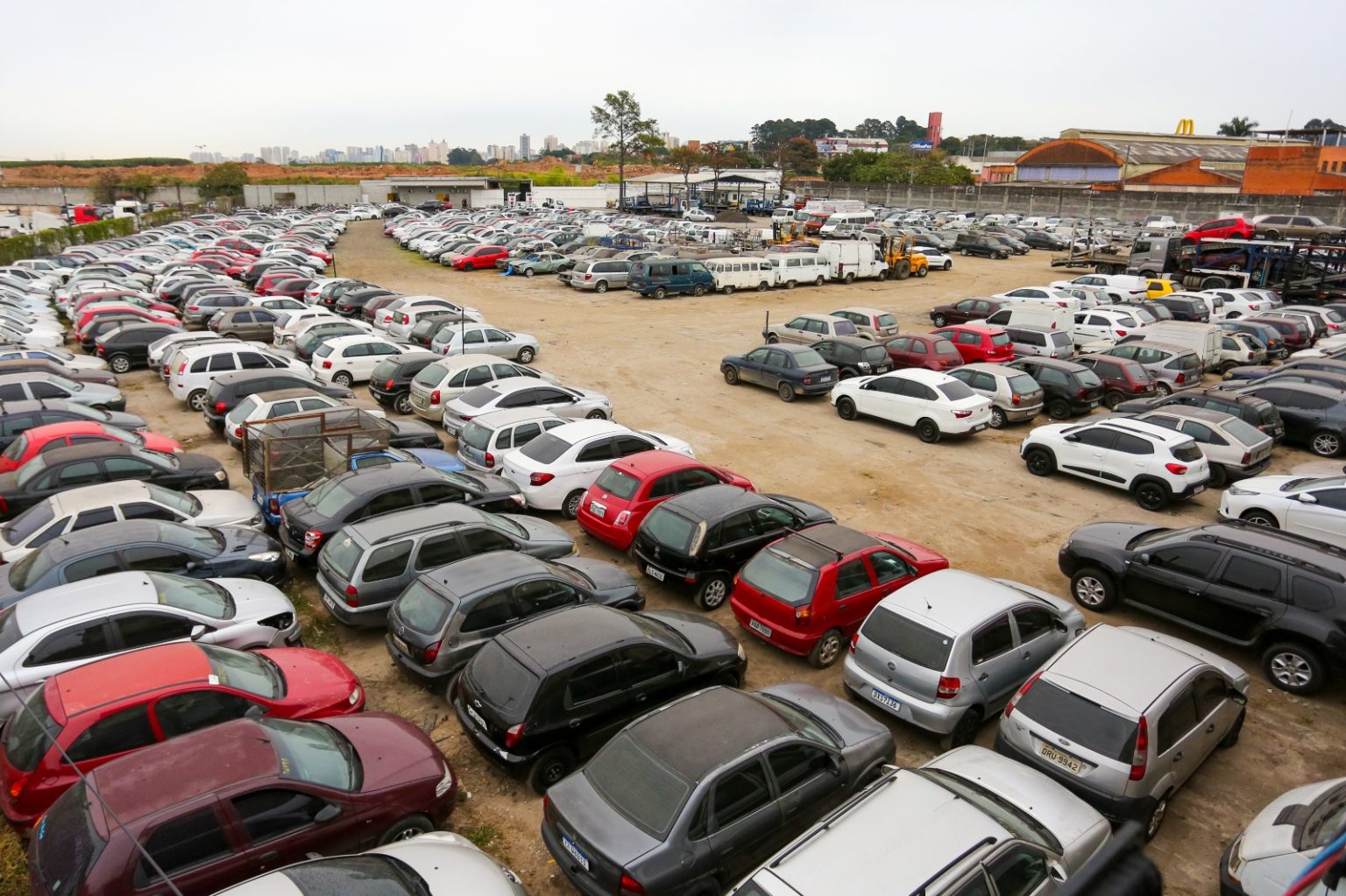
The new concession model for vehicle towing and impound services managed by Detran-SP and DER in the state of São Paulo, which underwent a public consultation and eight public hearings to gather suggestions for improvement, incorporates for the first time mandatory environmental requirements and concrete incentives for the adoption of ESG best practices — a concept that brings together measures for environmental preservation, social responsibility, and transparent governance. The goal is to reduce negative impacts on society and the environment while promoting more ethical and efficient management processes.
The initiative, structured by the São Paulo State Secretariat for Investment Partnerships (SPI), sets unprecedented parameters requiring future impound yards to strictly comply with environmental preservation standards, waste management, and effluent control.
Among the requirements are the implementation of technical areas for proper waste separation and disposal, correct handling of fluids and vehicle carcasses, and the adoption of solutions for the rational use of water and energy.
Unlike the current scenario, where many yards operate without environmental control structures, the new model establishes technical criteria for continuous evaluation and monitoring.
Environmental commitment
To encourage concessionaires’ environmental responsibility, the project introduces the Socio-Environmental Performance Factor (FDS), a scoring system based on objective indicators that assess good practices. Through this mechanism, companies are encouraged not only to meet minimum standards but also to develop innovative sustainability initiatives.
Indicators included in the FDS cover recognized environmental certifications (such as ISO 14001); use of biofuels or electric/hybrid vehicles in the towing fleet; implementation of water and energy efficiency solutions in impound facilities; social programs in surrounding communities; traffic education initiatives; and training programs for young apprentices and employees.
The government expects the new framework to raise the environmental standards of the service and encourage positive transformations in the regions served.
Dialogue and transparency
The proposal was available for one month to receive suggestions during the public consultation and was discussed in eight hearings held in different regions of the state. These contributions are currently under review before the publication of the bidding notice, scheduled for release by the end of the second half of 2025. The concession is expected to cover seven regional lots, encompassing all 645 municipalities of São Paulo state.