

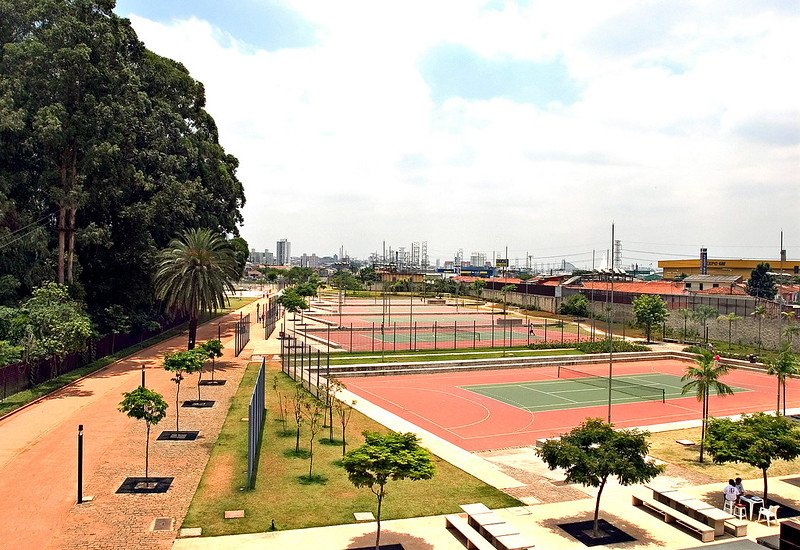
The Government of São Paulo is accepting contributions through Friday, August 1, for the public consultation on the administrative concession project for six urban parks located in the city of São Paulo. Coordinated by the Secretariat for Partnerships and Investments (SPI), the initiative is part of the São Paulo State Investment Partnership Program (PPI-SP) and focuses on upgrading infrastructure, as well as the operation and maintenance of these green spaces.
The proposal aims to broaden public participation in shaping the concession model, promoting more efficient space management and improved services for the population. Public hearings held on July 16 and 17 presented the project’s key features and gathered input from civil society. All contributions—received during the hearings and through the online consultation—are currently being reviewed by SPI’s technical team and may be incorporated into the final version of the bidding documents.
The parks included in the project are currently managed by the Parks Coordination Office, which is part of the Secretariat for Environment, Infrastructure, and Logistics (SEMIL). They are: Dom Paulo Evaristo Arns Youth Park, Manoel Pitta Belém State Park, Tietê Ecological Park (Engineer Goulart, Maria Cristina Hellmeister de Abreu, and Itaim Biacica units), and Engineer Antônio Arnaldo de Queiroz e Silva Park (Vila Jacuí Recreation Unit).
Project details and documentation are available on SPI’s website (www.parceriaseminvestimentos.sp.gov.br) and in the project’s data room. To access the virtual environment with the full set of materials, interested parties must submit a request by email (parquesurbanos@cpp.sp.gov.br), providing personal and institutional information.
Park redevelopment
The proposed model includes a 30-year contract, with investments totaling over R$ 144.7 million—R$ 60.4 million of which are to be made within the first four years. Planned improvements include the modernization of existing facilities, expansion of leisure areas, installation of sports equipment, and introduction of new services aimed at enhancing users’ quality of life.
The concessionaire’s compensation may also include a public payment of up to R$ 23.7 million per year, conditional on meeting targets and performance indicators.
Inclusion and environmental sustainability
Creating accessible urban spaces with a strong environmental commitment is a key goal of the proposal. Accessibility requirements include ramps, suitable restrooms, visual, tactile, and audio signage, as well as transport options for people with reduced mobility.
On the environmental front, the project includes rainwater reuse, solar energy use, low-consumption lighting, and waste management focused on recycling and composting. Construction must follow standards that minimize environmental impact.
The call for bids is expected to be launched by the end of the second half of the year and will include guidelines for hiring suppliers—prioritizing local companies with environmental certifications. The winning concessionaire will also be required to implement an environmental education plan featuring activities that highlight the natural, historical, and cultural heritage of the parks.
Tietê Ecological Park aquatic complex
One of the highlights of the project is the revitalization and reopening of the aquatic complex at the Tietê Ecological Park, which has been closed since 2013. Meeting a long-standing demand from park visitors, the revitalized area will include recreational, sports, and children’s pools. The complex will also feature new sports courts, an athletics track, and other leisure facilities. Located in the eastern zone of the city, the park covers an area ten times larger than Ibirapuera Park and was inaugurated in 1982 with a design by architect Ruy Ohtake.