

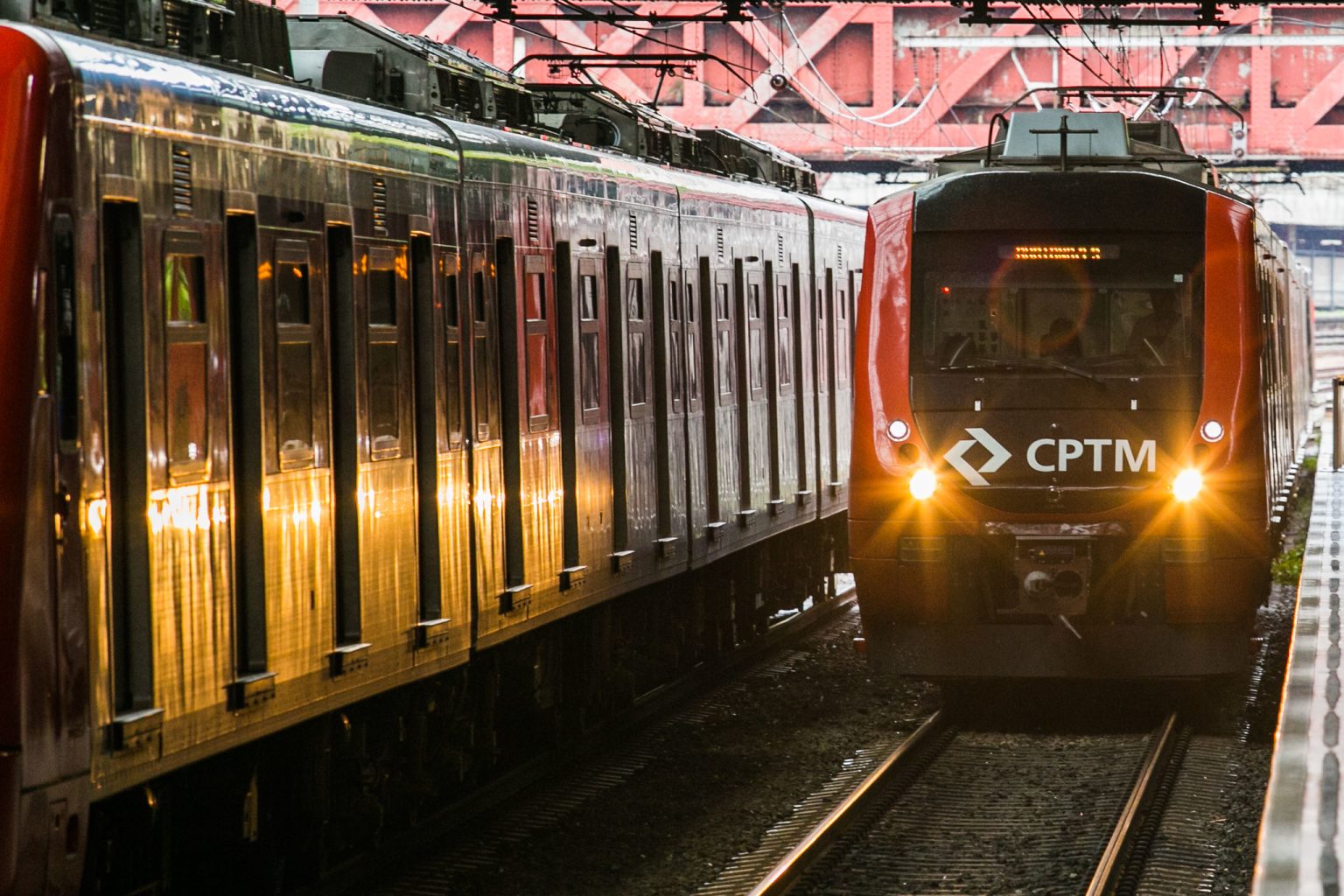
The Government of São Paulo, through the Partnerships in Investments Secretariat, adopted a structured concession model to deliver high-quality service to passengers, with a focus on operational excellence, safety and transport efficiency. The concession includes investments of R$ 14.3 billion, covering the modernization and expansion of stations, the upgrading of railway infrastructure, and the closure of level crossings to enhance safety, among other improvements.
The auction was held in March, and the contract is expected to be signed by the end of the first half of this year with the winning bidder – the Comporte Participações S.A. group.
The contract establishes strict performance and oversight standards to ensure that the concessionaire complies with all obligations. The São Paulo State Transport Agency (Artesp) will monitor performance indicators and apply penalties in case of non-compliance. Additionally, the concessionaire will be responsible for the environmental management of the lines.
“The State of São Paulo has been constantly improving its railway concession contracts to ensure higher quality in public transport, as well as expanding the three lines. The model adopted for lines 11, 12 and 13 incorporates the best regulatory and contractual practices, aiming to attract qualified operators and deliver a modern and efficient service to the population,” says Augusto Almudin, Director of the Companhia Paulista de Parcerias (CPP).
The adopted public-private partnership (PPP) model includes availability-based payments to the concessionaire, ensuring financial predictability and encouraging continuous improvement in service quality. The redistribution of the train fleet will allow lines 11, 12 and 13 to operate with newer trains, offering passengers greater comfort and efficiency.
SP Nos Trilhos programa
The concession of the three lines is part of the SP Nos Trilhos program, which brings together more than 40 projects aimed at expanding and modernizing railway transport in the state. These initiatives total R$ 194 billion in investments and cover more than 1,000 km of tracks across Greater São Paulo, the countryside and the coast, with the potential to create 150,000 jobs.