

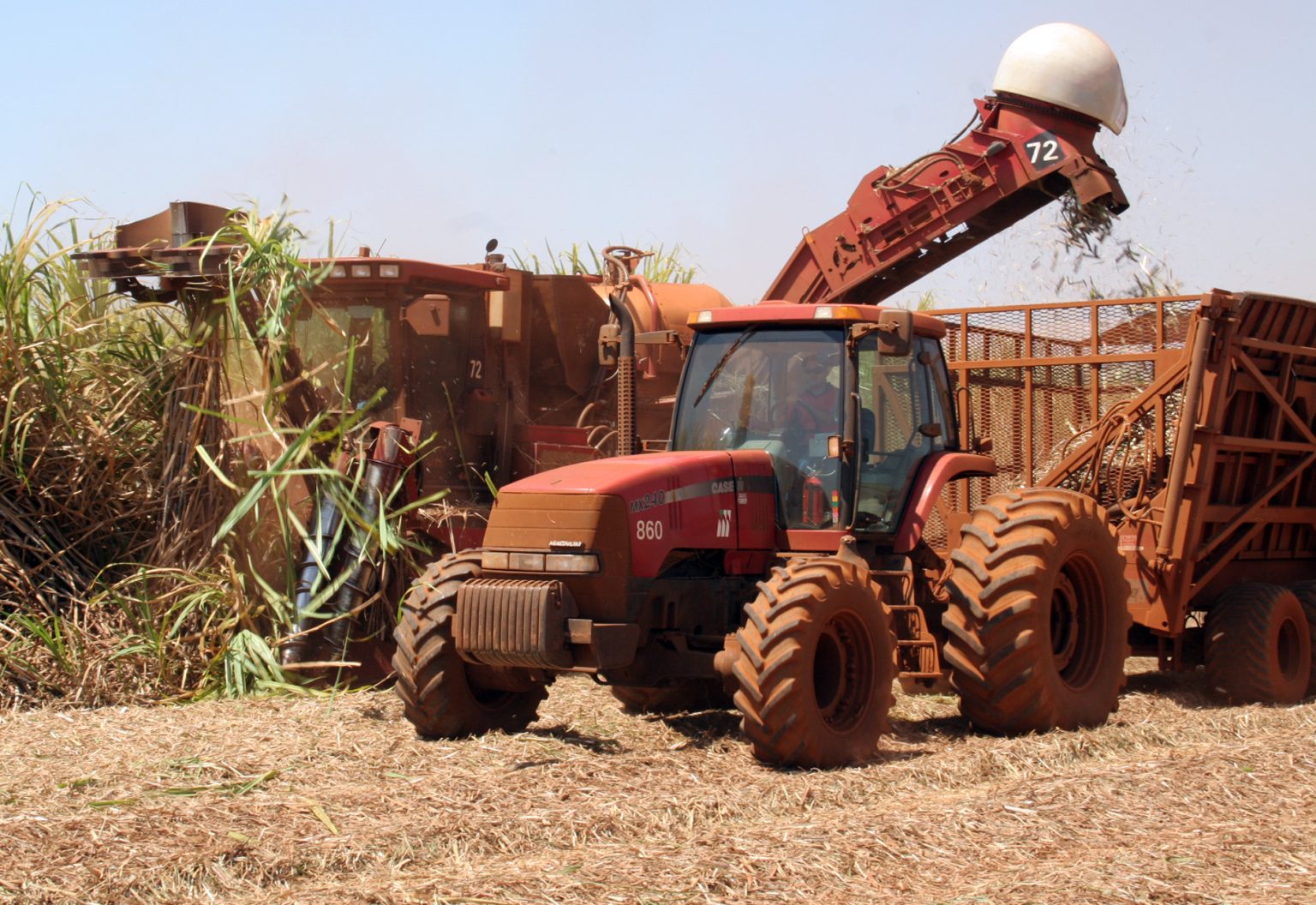
The Raposo Tavares Highway (SP-270) is becoming a new logistics corridor for transporting agribusiness production from the state and the Midwest region of Brazil. With the concession of the Paranapanema Lot, covering the section between Itapetininga and Ourinhos, the entire SP-270 will be duplicated, providing greater safety and traffic flow along the full length of the highway—from the border with Mato Grosso do Sul to the São Paulo Metropolitan Region.
The Paranapanema Lot project is part of the São Paulo State Partnership Program (PPI-SP) and will directly impact 13 municipalities, benefiting more than 500,000 people. It foresees investments of R$ 4.7 billion. The SP-270 is one of São Paulo’s main highways, crossing the state from east to west.
Currently, the last remaining unduplicated sections of the SP-270 are located between the municipalities of Ipaussu and Itapetininga. Under the Paranapanema Lot concession, around 147 km of single-lane roadway will be duplicated. The concession will also bring other improvements, such as the construction of 12.5 km of frontage roads and 56.4 km of new and restored shoulders.
An alternative route for agribusiness
In 2024, São Paulo’s agribusiness sector exported R$ 184.7 billion, a 6.8% increase compared to the previous year—reaching a historic milestone with record exports and trade balance. The data comes from the São Paulo Department of Agriculture and Supply through the São Paulo Agribusiness Technology Agency (Apta). São Paulo accounted for 18.6% of all Brazilian agribusiness exports in 2024, with highlights including juice production (84.1% of the national total), the sugar-energy complex (62.5%), and 63% of all plant-based products.
The concession of the Paranapanema Lot will allow the Raposo Tavares to establish itself as a safer and more efficient alternative to the Castelo Branco Highway, especially for transporting grains and other agricultural products, with the duplication of the segment between Paranapanema and Ipaussu. The project aims to elevate the Raposo Tavares as one of the country’s main logistics corridors, expanding export capacity and improving access to the Port of Santos.
The impact of these improvements goes beyond São Paulo. For example, 93% of the US$ 9.9 billion exported by the state of Mato Grosso do Sul (source: Comex Stat) left Brazil via seaports—and this cargo passed through São Paulo’s highway network.
In addition to reducing logistics costs for producers, the project enhances the competitiveness of agribusiness and encourages new investment. With this concession, the state is going beyond infrastructure: the goal is to boost the socioeconomic development of the served regions, creating new opportunities in agribusiness, industry, and services. The highway will be a key link between agricultural production in the Midwest and international markets.
The public notice for the Paranapanema Lot concession is expected to be published in the first half of 2025. In addition to nearly 150 km of duplication, the project includes more than 10 km of frontage roads and over 50 km of new or refurbished shoulders, as well as 29 new pedestrian overpasses, 35 new road interchanges and the redesign of 19 others, and more than 80 bus stops—among other interventions aimed at improving road safety and expanding traffic capacity to position São Paulo as a national leader in logistics innovation and infrastructure development.
State Partnership Program (PPI-SP)
PPI-SP is an initiative by the Government of the State of São Paulo aimed at expanding opportunities for investment, employment, and socioeconomic, technological, environmental, and industrial development in the state.
Focusing on highways, mobility, social development, and water/energy, PPI-SP is carrying out the largest and most comprehensive private investment program in São Paulo’s history, benefiting the population and driving regional economic growth. A total of 29 projects have already been qualified, representing a portfolio of more than R$ 494 billion.
Photo: Milton Michida