

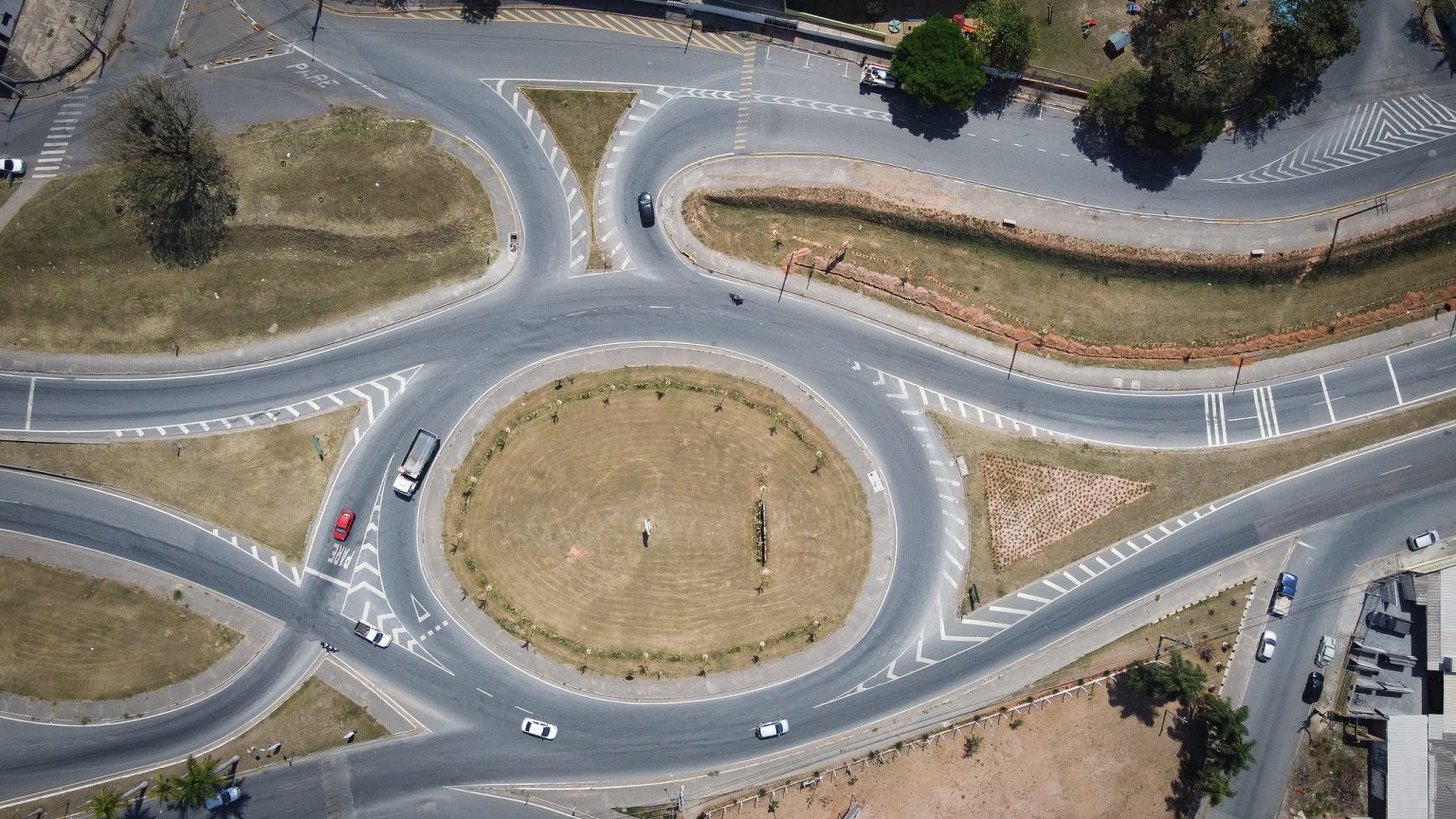
The Government of São Paulo is projecting BRL 50 billion in auctions for 2025, alongside major investments in expanding the healthcare network and improving highways across the state. Highlights include the auction of three highway lots in the countryside—totaling 1,200 km—and nearly BRL 15 billion in upgrades to the Paranapanema, Rota Mogiana, and Circuito das Águas corridors.
These investments are part of the state’s efforts to improve the business environment and strengthen partnerships with the private sector under the SP in the Right Direction plan. This strategic roadmap includes actions to modernize the public sector, increase spending efficiency, and boost São Paulo’s investment capacity. Since 2023, the plan has secured BRL 780 billion for the coming years—nearly six times the annual budget of the city of São Paulo.
Urban mobility will be a top priority in 2025, with BRL 30 billion in auctions planned for the Alto Tietê railway lot, which spans 124 km, and 14 ferry crossings. The delivery of the first phase of the northern section of the Rodoanel ring road in September and the BRL 6 billion Santos-Guarujá tunnel auction are expected to revolutionize transportation in the state.
“We have many investments underway under the São Paulo on the Tracks program. There are 40 railway projects, BRL 190 billion invested in recent years, with nearly BRL 70 billion already contracted. We are moving quickly on infrastructure through strong public-private partnerships,” said Governor Tarcísio de Freitas.
The first phase of the Rodoanel Norte is set to be delivered in September 2025, connecting the Presidente Dutra and Fernão Dias highways. The second phase is scheduled for completion in September 2026. This project will significantly improve connectivity among São Paulo’s main roads, enhancing logistics and transportation throughout the region. The total investment in the Rodoanel Norte amounts to BRL 3.4 billion.
Another key highlight for 2025 is the auction for the construction of the Campos Elíseos Administrative Center—a milestone in São Paulo’s urban renewal and public administration modernization. A public consultation is expected in early 2025, with the auction planned for Q4 2025. With 250,000 square meters of built area and 60,000 square meters of urban blocks, the project is considered strategic for government operations.
“The Rodoanel Norte moves forward with the first phase delivery, while the new State Administrative Center will bring in BRL 4 billion in investments—solidifying São Paulo’s status as a national infrastructure benchmark,” the governor added.
Healthcare
In healthcare, the Government of São Paulo plans to expand the network with investments in hospitals and specialized centers. Upcoming projects for 2025 include the Lucy Montoro Rehabilitation Center in Presidente Prudente, the Municipal Hospital of Peruíbe (with state funding), the State Hospital of Franca, and the Regional Hospitals of the Circuito da Fé and Vale Histórico (Cruzeiro), as well as São Pedro na Providência de Deus in Mirassol.
With a focus on regionalizing healthcare services, the state will also begin building new hospitals in Itapetininga and Birigui to serve key regions and strengthen the SUS public health system.
Education
São Paulo’s public education system is advancing with the creation of paid internships for high school students and significant investments in infrastructure and technology. The BEEM (High School Internship Grant) program will offer internships of up to BRL 1,000 per month in areas aligned with students’ studies.
Meanwhile, the Student Monitor program will engage 12,000 high school students to assist peers in academic recovery, offering stipends between BRL 250 and BRL 500. The initiative aims to promote inclusion and student leadership. By 2025, all public schools will be equipped with the Future Classroom app, which helps organize student and teacher routines.
Public education will also see BRL 1.7 billion in PPP investments for the modernization of 143 state schools. This includes upgrades to facilities, installation of air conditioning, standardization of school branding, and replacement of furniture.
Housing
With 100,000 housing units in production, the Government of São Paulo aims to accelerate the delivery of homes in 2025 through the Casa Paulista program, which has already built over 50,000 homes in its first two years. Another major initiative is Bairro Paulista, which seeks to transform cities across the state into more sustainable, resilient, and smart environments.
Using cutting-edge, nature-based solutions (NbS), the project—financed by the state and developed in partnership with municipalities—will implement practical solutions such as green infrastructure, improved stormwater drainage, promotion of active mobility and road safety, creation of recreational areas, and the cleanup of natural spaces.
Environment
In 2025, the Secretariat for Environment, Infrastructure, and Logistics (Semil) plans to structure PPPs in the sanitation sector through the Universaliza SP program, to ensure universal coverage in municipalities not served by Sabesp.
Another major effort will be regional waste management under Integra Resíduos. With municipal participation finalized, the first consortium batch for optimized waste management will be launched in 2025.
Semil also plans to introduce a new concession model for ecological restoration in public areas, integrating carbon credit incentives through the Refloresta SP program.
Lastly, the Finaclima SP mechanism will become operational in 2025, facilitating the receipt of private funds for climate change adaptation and mitigation projects across the state.