

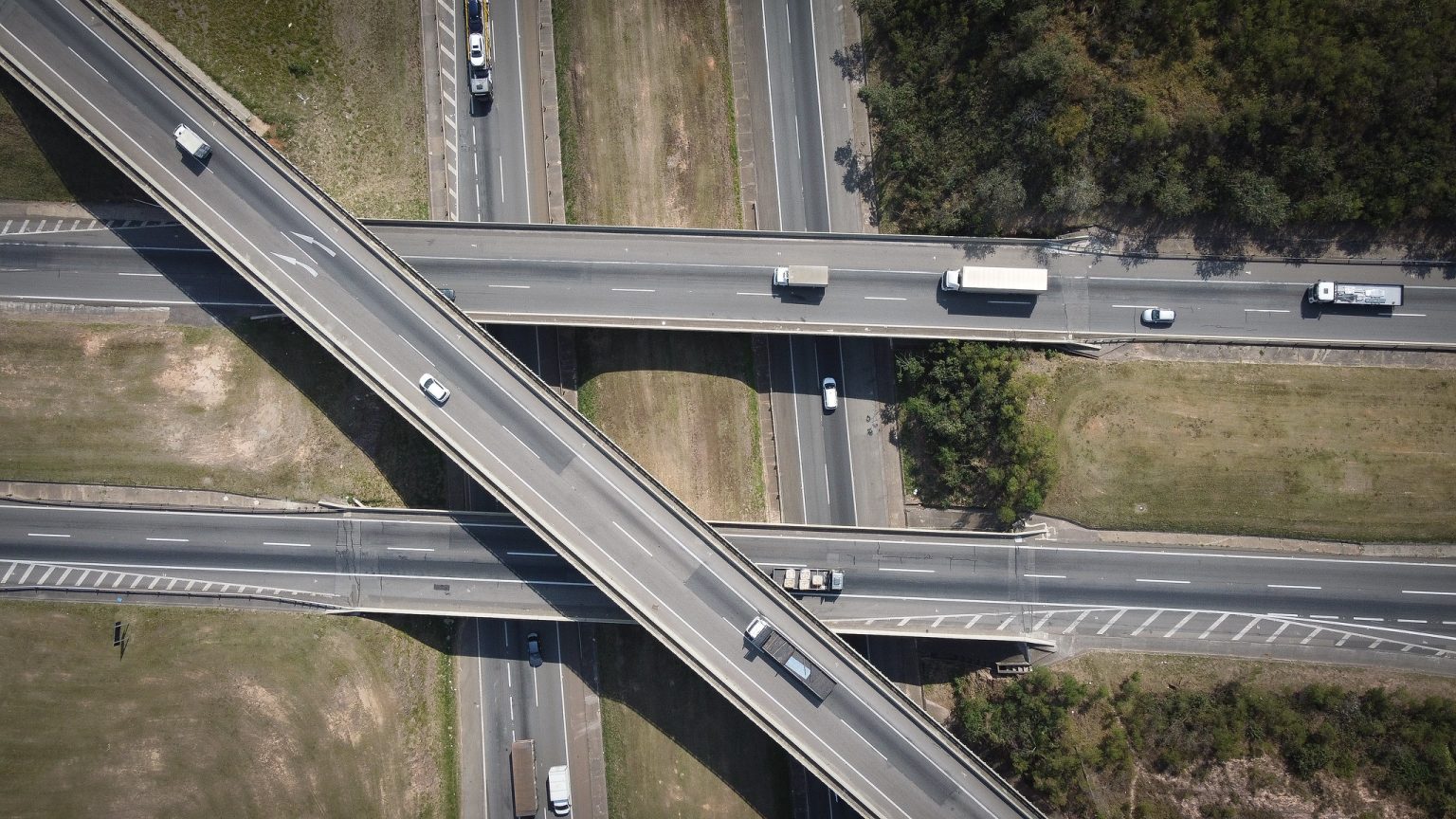
Those who use the urban marginal roads in Sorocaba will continue to be exempt from tolls with the new Rota Sorocabana concession. The model preserves the free travel within the city, ensuring that residents and workers who use the marginal roads will not be impacted by the implementation of the new electronic tolling system.
The initiative is part of the state’s policy of standardizing kilometer-based tolls, which promotes greater balance, transparency and predictability for all drivers who use São Paulo’s highways.
The concession covers stretches of the Raposo Tavares (SP-270), Castello Branco (SP-280) and Rodovia Celso Charuri highways, among others. In Sorocaba, the Raposo Tavares highway’s side roads will be continuous throughout the entire urban stretch, ensuring local traffic without charging a toll, even with the modernization of the toll system.
The new model, called Free Flow, is in the implementation phase and will replace physical toll booths with electronic portals that identify the vehicle’s license plate or tag. The price will be proportional to the distance traveled, meaning that only those who actually use the highway’s express lane will pay a toll until 2026. Residents who only use the side roads within the urban perimeter of Sorocaba will not incur any cost.
Motorcyclists will also be exempt from the toll on the highways of the new concession, as well as on the Litoral Paulista, Nova Raposo, Paranapanema, Circuito das Águas and Rota Mogiana lots. In addition, the Government of São Paulo is conducting studies to apply the exemption to old contracts from other administrations. The goal is to extend this benefit to the entire highway system, promoting fairer fares and respect for the reality of those who use this means of transportation.
The Rota Sorocabana concession foresees R$8.8 billion in investments in 460 kilometers of highways, directly benefiting 17 municipalities. In Sorocaba, improvements are planned, such as the expansion of lanes on Castelinho, new access on Rodovia Celso Charuri, 24-hour medical and operational services, and the implementation of continuous marginal roads on Raposo Tavares. These interventions will increase road safety, reduce travel time, and ensure greater comfort and fluidity in urban traffic, respecting local travel and prioritizing the user.
Photo: Pablo Jacob